Improving implant healing for people with Type 2 Diabetes

Healing can be slower. Inflammation can persist. The risk of complications, infection or implant failure can be higher. A procedure designed to improve life can become a longer, harder road to recovery.
Thanks to community support through Flinders Foundation, Dr Richard Bright and his team are exploring how diabetes-related molecules interact with implant surfaces, helping to create a future where people living with diabetes receive devices with their biology in mind.
Looking beyond the implant
Dr Bright’s team observed that most implants are designed with a “healthy” environment in mind, leading them to investigate the impact of advanced glycation end products (AGEs), sticky sugar-related molecules that build up when blood sugar remains high over time. These molecules can increase inflammation and interfere with the body’s natural healing processes.
“We wanted to understand why people with diabetes often experience poorer outcomes after receiving medical implants,” Dr Bright explains.
“Specifically, whether molecules linked to diabetes could change how the body recognises an implant — and influence whether healing or inflammation occurs.”
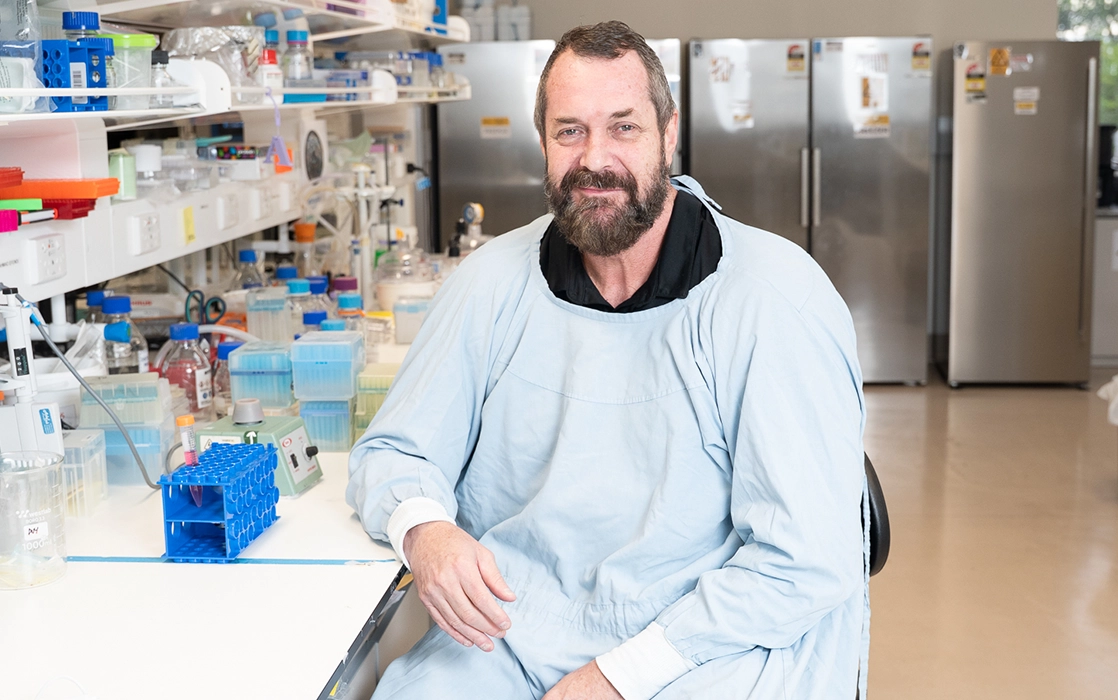
What the team found was both important — and encouraging.
They discovered that these diabetes-related molecules can attach to implant surfaces and influence how immune cells and bone-forming cells respond.
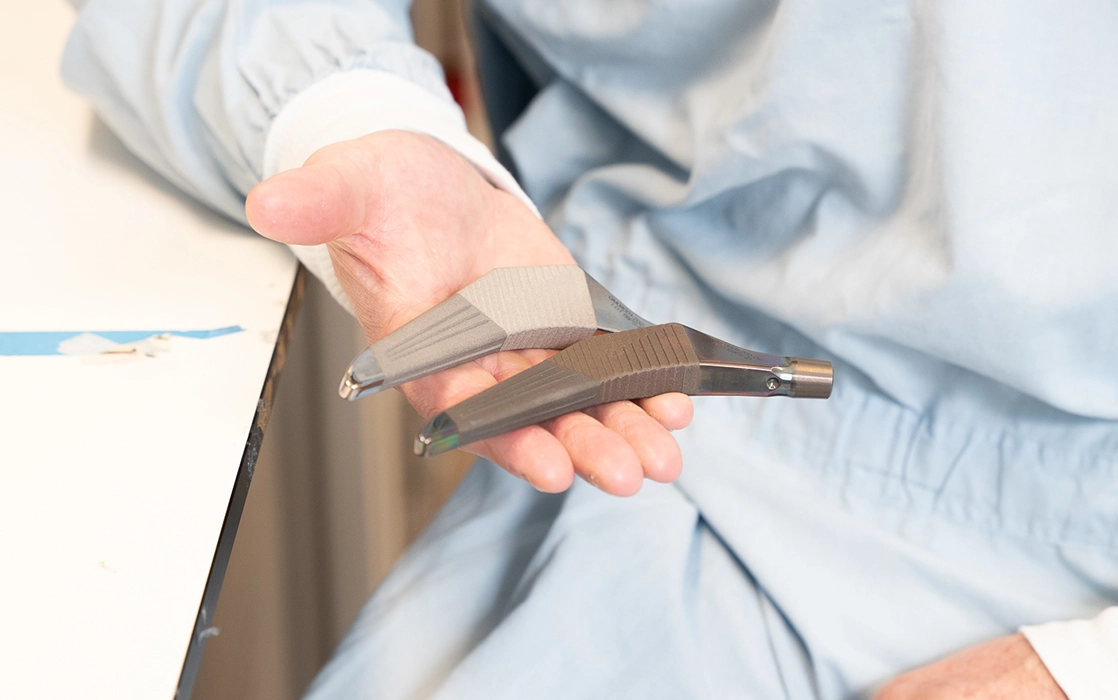
But they also found that ultrathin surface coatings, almost invisible to the eye, could help reduce harmful interactions and create a more supportive environment for healing.
Small molecules, big impact
For people living with diabetes, improving implant healing could mean less pain, fewer complications, faster recovery, and a quicker return to mobility, independence and everyday life.
Looking ahead, Dr Bright believes that the future of implants may move beyond a “one size fits all” approach and instead be tailored to people living with a chronic condition that affects healing.
Early ideas leading to future impact
Research breakthroughs begin with a question. A possibility worth testing.
With support from our community, Flinders Foundation can help researchers like Dr Bright and his team to explore an early concept: that diabetes-related molecules directly influence implant outcomes.
Early support did more than fund a project – it generated the evidence to build momentum.
“Seed funding allows researchers to take calculated risks,” Dr Bright says.
“Even modest seed funding can generate the evidence needed to unlock major discoveries and, ultimately, improve patient care.”
This is the impact of giving to research.
Helping turn early ideas into evidence.
Helping promising discoveries grow.
And helping create a future where more people can recover, heal and live well.
“Your support can help turn early ideas into tangible medical advances.”
From bench to bedside, community generosity enables exceptional care through the translation of groundbreaking research.
Support exceptional research and care. Donate now.
More stories about


Keep up to date
Subscribe to our newsletter to receive information on our latest news and events

Precinct partners



Head office
Flinders Drive
Bedford Park 5042 SA
General enquiries


Flinders Foundation acknowledges the Kaurna people as the traditional custodians of the land on which the Flinders precinct was established. We acknowledge the Kaurna people’s deep and ongoing connection to land, waters and community, and pay our respect to their Elders, past and present.