
Advancing cancer research through precision medicine

Mesothelioma is a rare and aggressive cancer that develops in the thin protective lining of internal organs, most commonly the lungs, but also the heart and abdomen. Once treated as a single disease with limited options, now thanks to investment in research, it is now part of a much more nuanced and personalised approach to cancer care.
“When I started my career, lung cancer was subdivided into two major categories, with two treatment options: surgery and chemotherapy. Now, we have many subtypes that have distinct clinical characteristics and may receive targeted therapy that attacks specific weaknesses in that tumour.”
Professor Klebe also highlighted important progress in mesothelioma diagnoses, driven in part by long-term research at Flinders.
“30 years ago, Flinders researchers pioneered the concept of mesothelioma in situ, which in 2021 finally became a World Health Organization diagnosable entity.”
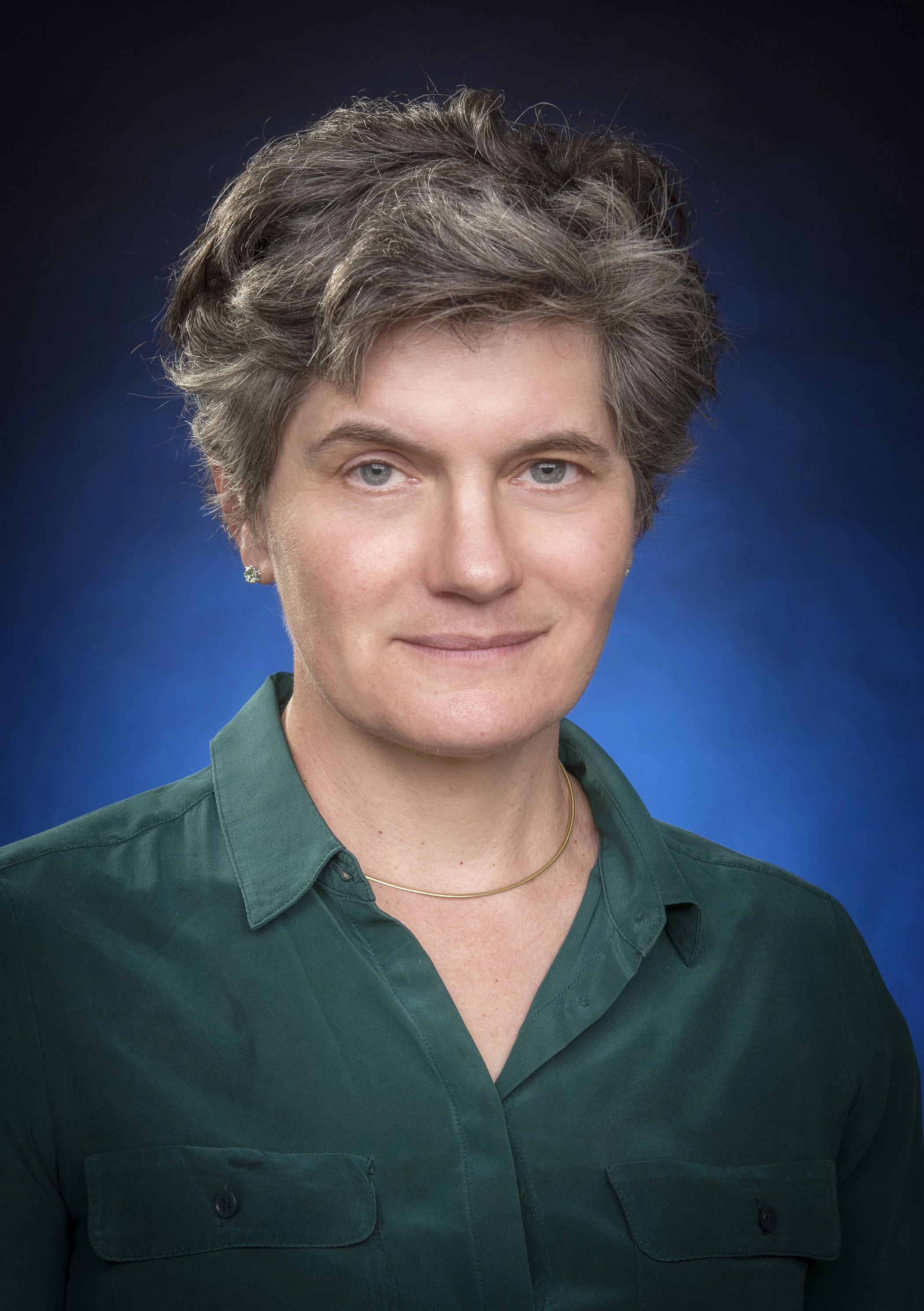
Mesothelioma in situ means the disease has not progressed as much, and may be more treatable than at the advanced stage.
With support from a Health Seed Grant from Flinders Foundation in partnership with Flinders University, Professor Klebe’s team (pictured) is now focused on precision immunobiology to better predict how patients respond to treatment.
“We use patient’s own cancer cells to grow mini-tumours in a dish and expose them to different therapies, based on their molecular profile.”
This approach also helps researchers understand how one treatment may influence future options, which is critical in a disease where patients often receive multiple therapies.
“We then assess the effect of the treatment not only on the cancer at that point, but also how that therapy affects downstream therapy options.”
The goal is a more adaptive, personalised approach to care.
“Every patient should have specifically tailored treatment regimens that can react and respond in a targeted way to evolving resistance to drugs.”
For patients and families, precision medicine is about tailoring treatment to the individual.
“It means that every individual patient will get the type and dose of drug that most effectively treats their unique cancer.”
Ultimately, the aim is both better outcomes and better quality of life.
“We hope that this will extend people’s lives, and improve people’s quality of life during and after treatment. We hope and work towards a cure, always.”
The power of seed funding
Professor Klebe also emphasises the importance of early-stage investment in discovery research.
“Early stage funding is the most important, as this is where truly fresh ideas and thoughts are tested.”
Keep up to date
Subscribe to our newsletter to receive information on our latest news and events

Precinct partners



Head office
Flinders Drive
Bedford Park 5042 SA
General enquiries



Flinders Foundation acknowledges the Kaurna people as the traditional custodians of the land on which the Flinders precinct was established. We acknowledge the Kaurna people’s deep and ongoing connection to land, waters and community, and pay our respect to their Elders, past and present.