
New research leader brings global expertise home to tackle ovarian cancer earlier

The Fellowship honours the life and legacy of the late Marion McCormack—a curious and thoughtful woman with a deep fascination for the world around her. When Marion was diagnosed with ovarian cancer, she faced the challenges of the disease with courage and grace.
Beyond her own journey, she held a selfless vision: to help other women facing the same diagnosis. Before her passing, Marion made the extraordinary decision to leave a gift to support ovarian cancer research and patient care.
Working closely with Marion’s family, particularly her brother Peter McCormack, Flinders Foundation has honoured her legacy through Dr Ghosh’s Fellowship, ensuring her generosity will have a lasting impact on the future of ovarian cancer detection and treatment.
Returning to Australia from the Mayo Clinic in the United States, Dr Ghosh will lead pioneering efforts to detect ovarian cancer earlier—offering renewed hope for improved survival and outcomes for women facing one of the most challenging cancers to diagnose.
Ovarian cancer is often detected at an advanced stage, when treatment options are limited and survival rates are significantly lower. Focusing on early detection, Dr Ghosh’s work aims to shift that trajectory—enabling diagnosis at a stage where intervention is more effective, and lives can be saved.
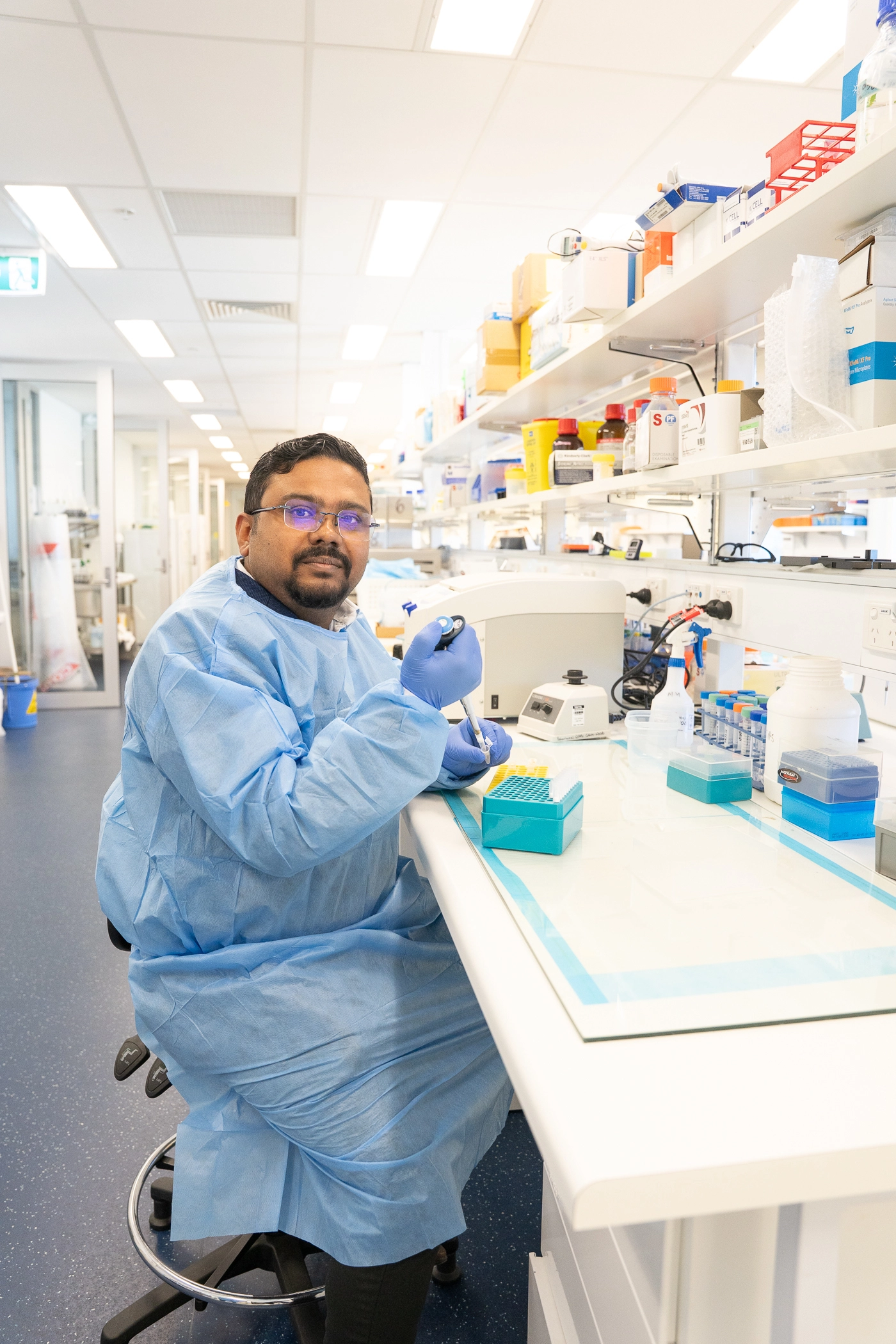
Dr Ghosh will lead cutting-edge research projects, foster statewide, national and international collaborations, and strengthen translational ovarian cancer research. He also retains an adjunct research position at the Mayo Clinic, one of the world's most renowned medical institutions, cementing a powerful research bridge between Australia and the United States and strengthening Flinders' platform for ongoing international collaboration at the highest level.
He holds a PhD in Medical Biochemistry and more than six years of postdoctoral experience across leading research institutions in Australia and the United States. One of his key areas of expertise is organoid technology, an innovative technique where miniature, three-dimensional replicas of tumours are grown in the laboratory from a patient’s own tissues. These structures can predict how a patient will respond to different treatments.
For Dr Ghosh, early detection is not just a scientific goal, it is a personal mission that continues to drive his determination to improve outcomes for women and families affected by the disease.
He says returning to Australia to take up the Fellowship is both a professional and personal milestone.
"It’s a true honour to return home and join Flinders at such a pivotal time in ovarian cancer research. This disease is too often diagnosed late, by which point it has already spread throughout the body, and survival prospects are significantly diminished. But when we catch it early, we have a real opportunity to improve outcomes and save lives.
The challenge is that ovarian cancer remains one of the most difficult cancers to detect in its early stages, and that is precisely where my research is focused, on identifying the signals this disease leaves behind long before any symptoms emerge. I’m excited to work alongside leading researchers here to make a meaningful difference for women and their families.”
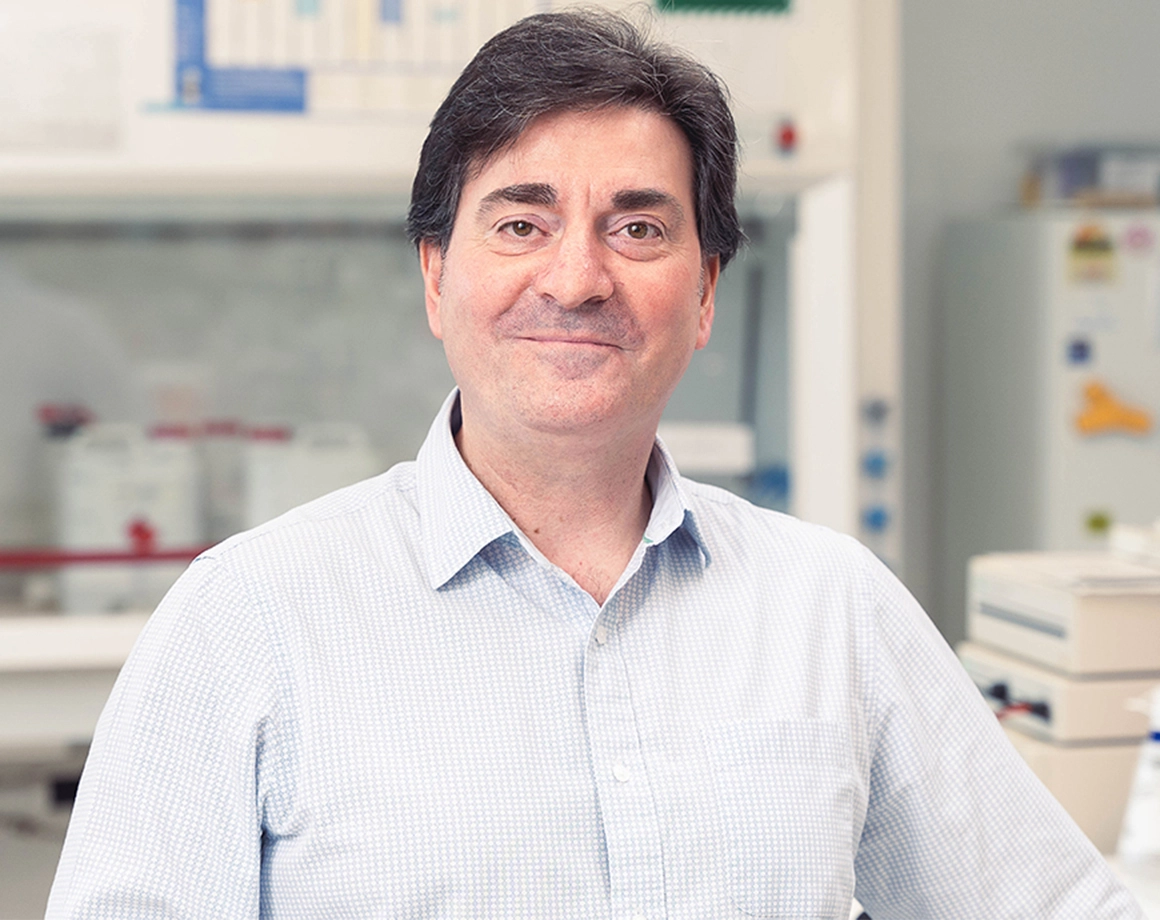
“Attracting a researcher of Dr Ghosh’s calibre back to Australia speaks volumes about the strength of our research environment and the impact of donor support. We are deeply grateful to the McCormack family for entrusting Flinders Foundation as custodians of this generous gift. Their vision will directly support groundbreaking work that has the potential to transform outcomes for women diagnosed with ovarian cancer.”
Associate Professor Michael Michael, Head of the Gene Expression Laboratory at the Flinders Centre for Innovation in Cancer and Flinders Foundation Interim Chair
Thanks to the generosity of supporters, researchers are offering renewed hope for improved survival and outcomes for women facing ovarian cancer.
Every breakthrough starts somewhere. When you support Flinders Foundation, you help researchers to drive medical discoveries like this forward.
Support exceptional research and care. Donate now.
More stories about


Keep up to date
Subscribe to our newsletter to receive information on our latest news and events

Precinct partners



Head office
Flinders Drive
Bedford Park 5042 SA
General enquiries



Flinders Foundation acknowledges the Kaurna people as the traditional custodians of the land on which the Flinders precinct was established. We acknowledge the Kaurna people’s deep and ongoing connection to land, waters and community, and pay our respect to their Elders, past and present.