
Cooling equipment turns frightening birth into a thriving future for baby Atlas: A Q&A with the McKinnon family

Within hours of being born, the decision was made to transfer Atlas to Flinders Medical Centre’s Neonatal Unit via MedSTAR so he could begin specialised cooling treatment — known as therapeutic hypothermia — using an Arctic Sun machine.
The Arctic Sun machine, funded with the support of the Flinders Foundation community, precisely lowers and maintains a baby’s body temperature, giving the brain a chance to recover and significantly improve long-term outcomes for babies like Atlas.
We spoke with parents Katie and Andrew about the exceptional care they received at Flinders and the role that community generosity played in ensuring a thriving future for baby Atlas.
Can you tell us about Atlas’s birth — what do you remember from those first few hours and days?
From the beginning, we felt a real sense of excitement. We had been looking forward to this moment for so long, and everything at our local hospital felt incredibly supportive.
As labour progressed, the anticipation kept building. We didn’t know if we were having a boy or a girl, and that mystery made the moment feel even more special.
While we experienced a beautiful, relaxed labour, just prior to Atlas’ arrival, his heart rate began to dip, and everything changed very quickly. The emergency button was pressed, the room filled with people, and it soon became apparent that something was very wrong.
Atlas was born and immediately taken to another room to be cared for and stabilised while we were attempting to make sense of what had and was happening.
When we were told Atlas needed to be transferred to Flinders, that was when we realised just how serious things really were and we then awaited to MedSTAR to arrive.
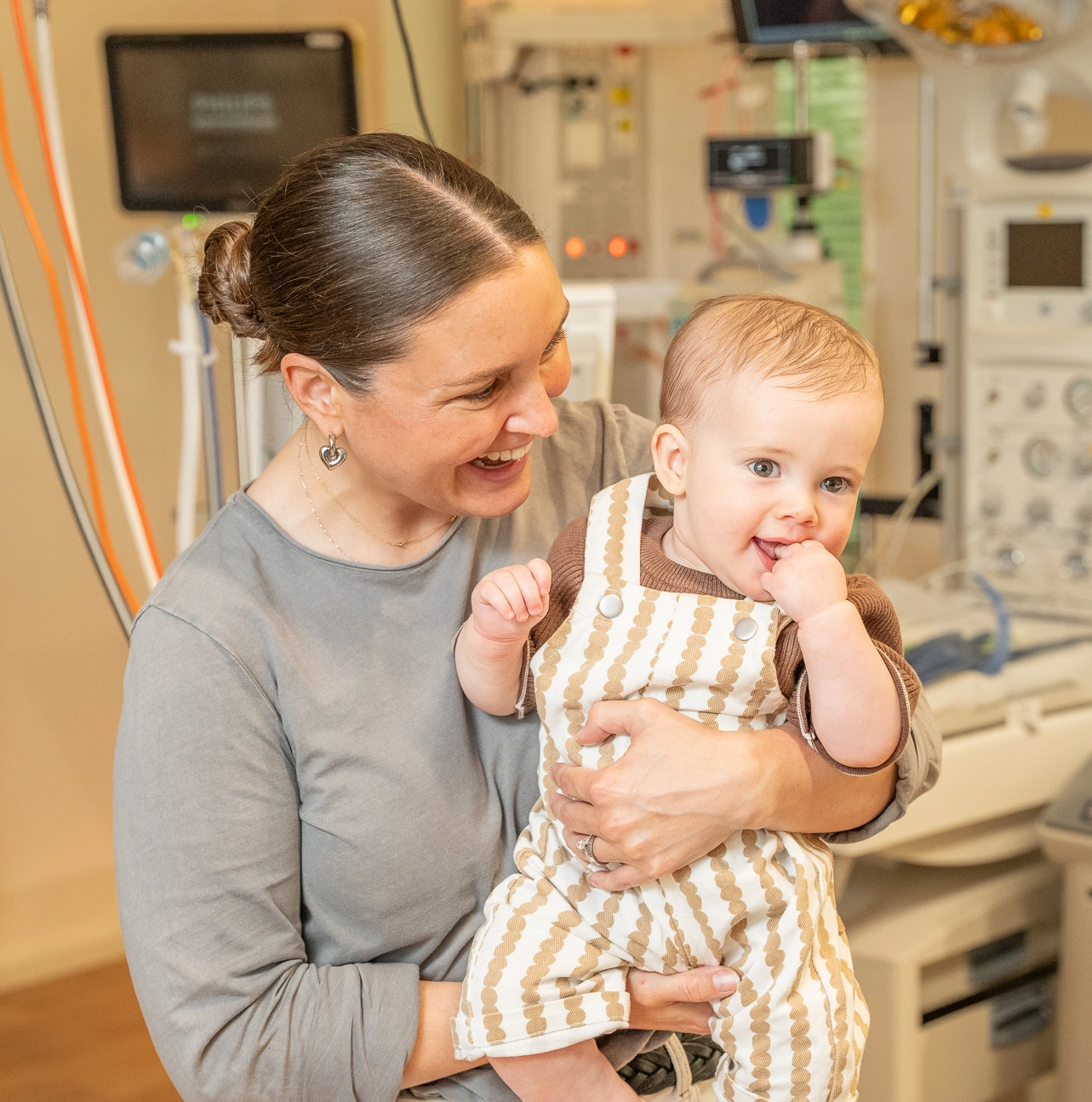
When did you first learn that Atlas needed to be transferred to Flinders Medical Centre, and how did you feel in that moment?
It became clear quite early after Atlas was born that he would need to be transferred. Hearing that news brought a huge wave of sadness, fear and uncertainly.
We had imagined leaving the hospital together as a family — and suddenly we didn’t even know when we would be able to take him home, or what his future might look like.
We were told there had been a lack of blood and oxygen to Atlas’ brain, and that he needed to be transferred so he could start the cooling treatment. They explained that it was time-critical to commence as soon as possible post-birth.
It was such a confronting start to Atlas’ life, and at that stage, all we could really do was hold onto hope and trust the team around us to help him.
What was it like arriving at Flinders and meeting the team who would be caring for him?
Arriving at Flinders, the staff were incredibly warm, calm and kind. They talked us through what they were doing and what the plan was, step by step, which helped us feel more grounded in those chaotic early hours.
Starting immediate cooling was the best chance to protect his brain from any further damage and support his recovery.
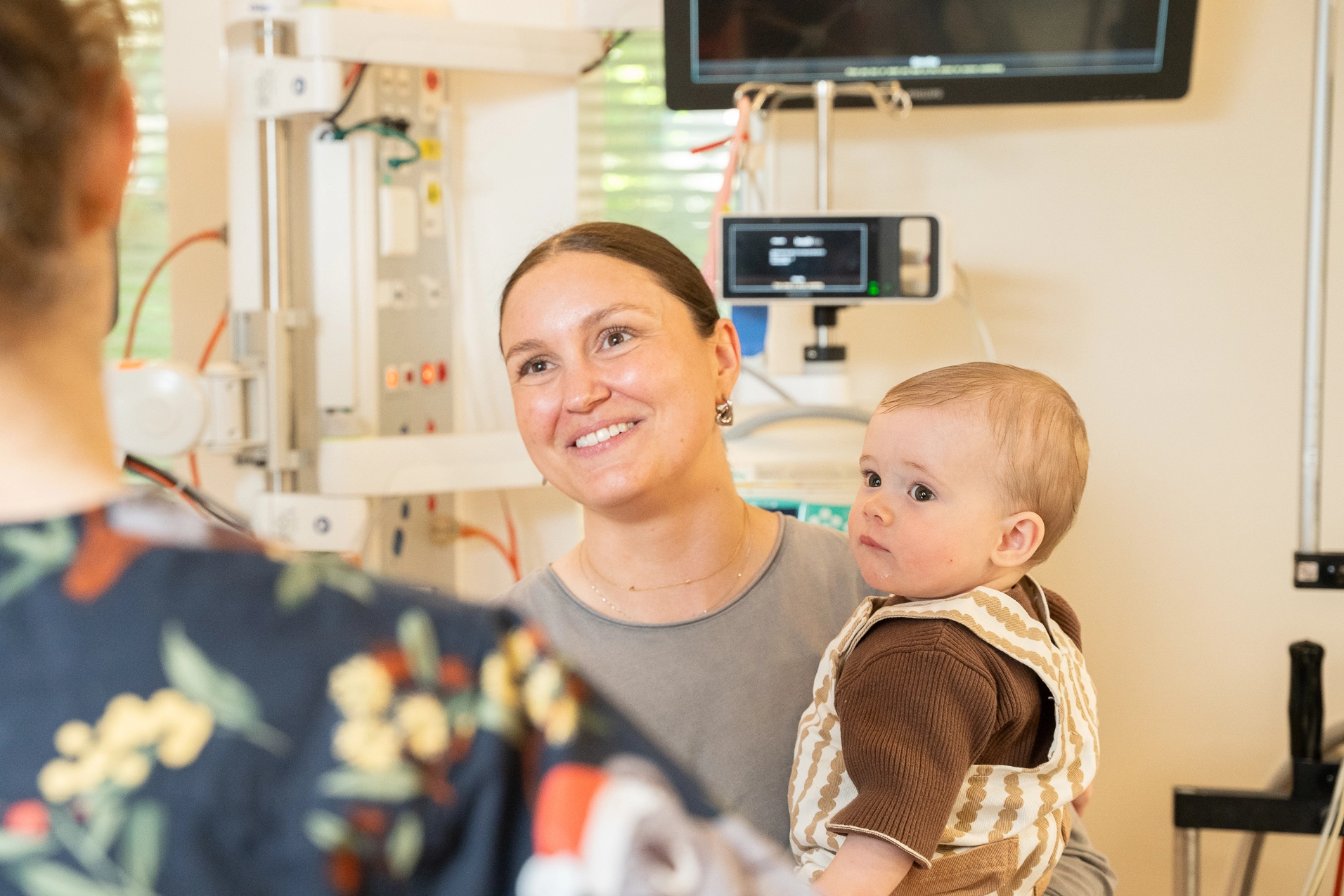
What stands out most from your experience of care in the Flinders Neonatal Unit?
What really stands out from our time at Flinders is just how caring everyone was. No matter what questions we had, how big our emotions were, nobody ever made us feel like we were a burden or asking too much.
Flinders became our home for the first ten days of Atlas, and the staff truly made it feel that way. They treated us like family, and that sense of security and belonging helped us get through some of the most challenging days of our lives. We felt safe there, and we felt like Atlas was exactly where he needed to be.
Leaving without him — that was one of the hardest moments. After days of being by his side every minute, walking out without our baby felt completely unnatural. But those earlier days, especially during the cooling treatment and the delicate period that followed, were made much easier because of the compassion and warmth shown by every person involved.
Each person that we came across while on Neonatal unit played a part in helping Atlas become the strong little boy he is today. We carry that gratitude with us every single day. We hope that when we bring him back in to visit, they’ll get to see the impact they had — because we will never forget it.
How do you think community support through Flinders Foundation helps make care like Atlas’s possible for other families?
Community support through the Flinders Foundation plays a huge role in making care like Atlas’s possible for other families.
When the unexpected and unimaginable can happen-knowing that the very best equipment, treatment programs and specialist teams are already in place makes all the difference.
For us, this isn’t just about thanking the hospital — it’s about acknowledging a whole community of people who stood behind Atlas in those early hours and days, many of whom we will never meet.
Their support is part of his story too. And because of them, more families will be able to tell stories like ours — stories where hope and expert care come together to give a child the best possible start in life.
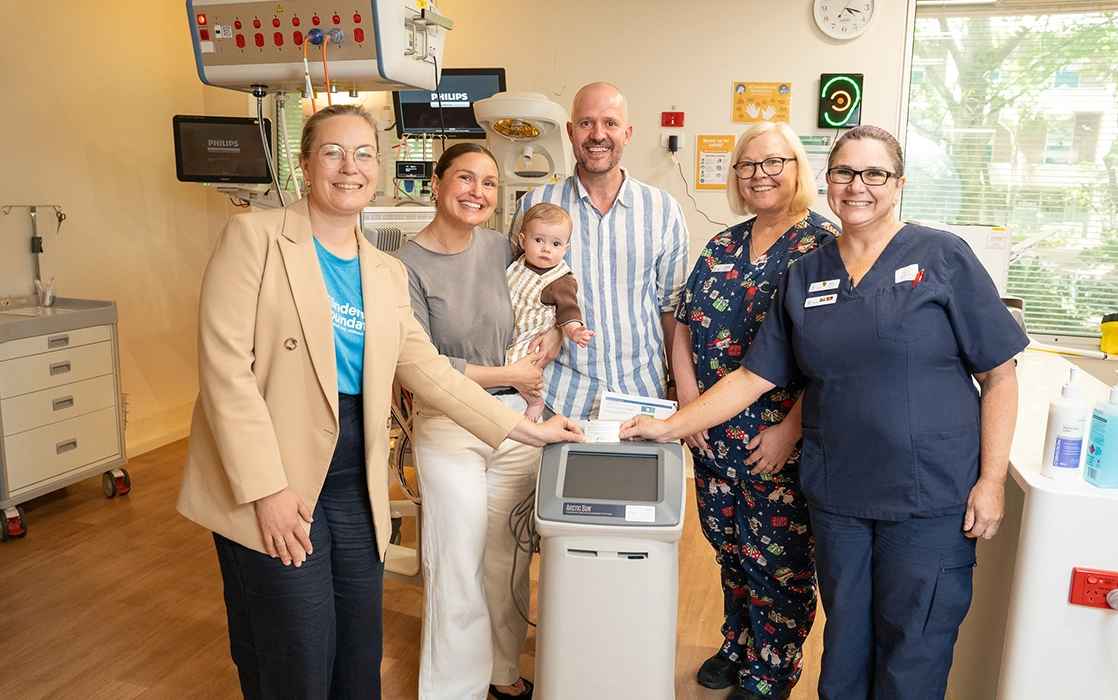
What are your hopes for Atlas’s future, and how has the care at Flinders helped make that future possible?
For Atlas we hope he lives a life filled with adventure, kindness, ongoing curiosity and endless opportunities. And already, at just eight months old, he’s showing us how strong and determined he is.
The care he received at Flinders made that future possible. Those first hours and days were critical — without the cooling therapy and the specialist team responding so quickly, Atlas’ story could have been very different. Knowing that he had the best care from the very beginning gives us confidence that he has every chance to thrive as he grows.
We hope that as he gets older, he’ll understand the significance of what he overcame and the people who helped him through it.
His journey is a part of who he is now — and in many ways, it’s a reminder to us every day of how grateful we are.
When we look at him smiling and laughing, reaching milestones, and discovering the world with so much curiosity, we see everything the team at Flinders helped protect.
Your support makes stories like this possible
Your support today can help ensure that every family, no matter their circumstances, receives the care they need at Flinders Medical Centre.
Support exceptional care and research at Flinders.
Donate today.
More stories about


Keep up to date
Subscribe to our newsletter to receive information on our latest news and events

Precinct partners

Head office
Flinders Drive
Bedford Park 5042 SA
General enquiries

Flinders Foundation acknowledges the Kaurna people as the traditional custodians of the land on which the Flinders precinct was established. We acknowledge the Kaurna people’s deep and ongoing connection to land, waters and community, and pay our respect to their Elders, past and present.